
Some weeks ago, I hit a wall. I’d just recovered from a deeply frustrating lack of enthusiasm and motivation for my writing (actually, the lack had crept into most everything I was working on) and begun to pick up steam again. Then, boom, there was the wall…in the form of lost work.
When I write, I alternate between the computer and old-fashioned pen and paper (sometimes my phone if my notebook isn’t handy). For long stretches, I work almost exclusively longhand. The rhythm of writing by hand, though it’s much less efficient and more time-consuming than typing, often frees my creativity in a way the keyboard can’t. The challenge for me is making sure the longhand stuff makes it to the computer, where it can be backed up and synced.
Earlier this year we were burgled, and my current writing notebook, which was in my computer bag, was taken along with our laptops and a couple other things. Amazingly (it felt like a little miracle, especially because we weren’t expecting it), the police found the laptops and returned them to us. The notebook was not. While I was initially sad about not getting the notebook back, I didn’t fret over much as I thought I had most, if not all, the scenes it contained already transcribed to Scrivener.
Sadly, this was not the case. I had several of the scenes transcribed, but many of the important ones were only in that notebook.
Still, I thought I could power through it anyway. I’d written the scenes once before. The info was all still in my head. I’d write them again, better this time.
I couldn’t. That lack of enthusiasm I thought I’d conquered came raging back. After a lot of savage threats to my muse, digging my heals in and mental hand wringing, I realized the wall I’d hit wasn’t going to budge. And it wasn’t losing the notebook, although that was the final straw. It was that I’d lost too much momentum on my WIP over the last year. Moreover, powering through it wasn’t going to work in this particular case. I had to step back.
I’d invested a tremendous amount of time and heart in this project. I thought it’d be my first published work. Putting it on the back burner felt like losing a friend. Yet, the need for it had been there for a good long while. I’d just been desperately trying to ignore it. All that struggle to write even a little these last few months was the folks in the basement of my brain telling me it was time to take a different path. But it took a big setback to get me to see it.
Once I got over the initial shock of putting the project aside, I found I was deeply relieved. I felt free, my creativity revitalized. Another story idea that’s been bouncing around my brain for months surged to the forefront and is now in the planning stages.
I hope to return to my previous project. The story’s a good one. I loved it enough to stick with it for years. But it’s also okay if I don’t. I’ve learned so much about the process of writing. I morphed from a full-on pantser to a mostly plotter. I now have a more visceral understanding of plot structure, character and theme and how to apply that to a story. None of that is wasted stuff, even if the story that earned if for me never sees daylight.
So, triumph out of tragedy. The optimist in me knows that good can come out of the crap life throws at us, if we look hard enough. But the cynic in me sometimes has a tough time believing it. I guess I just needed another object lesson.
Oh, and I’ve also learned to transcribe the handwritten stuff at least once a week. That might be the most important lesson.
***
A brief note about ROW80: I’m taking a break for the next couple weeks or so. I may not rejoin this round at all. I need to get a firmer grip on the new stuff I’m working on first. However, I still plan to cheer all my fellow ROWers. Good luck with all your goalishness.
***
Have you ever been in a situation where you realized the best course of action was the one you least wanted to take?
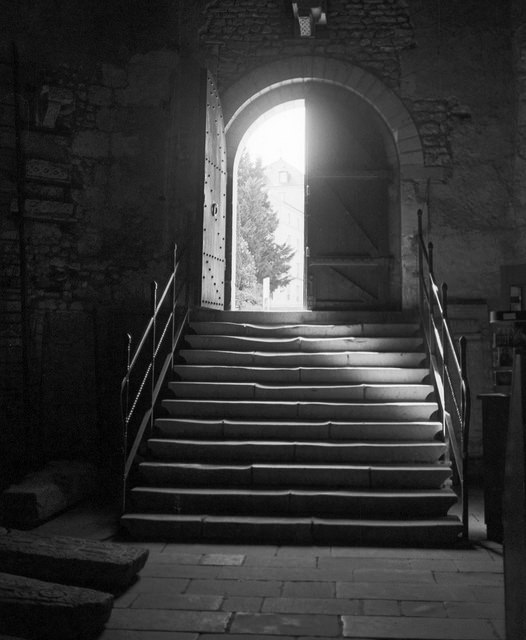
Photo Credit
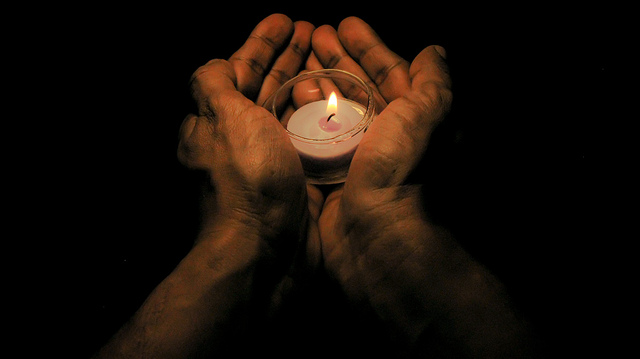
Open the door by Mark Dries, on Flickr | CC BY-NC-ND 2.0


 Sonia G Medeiros